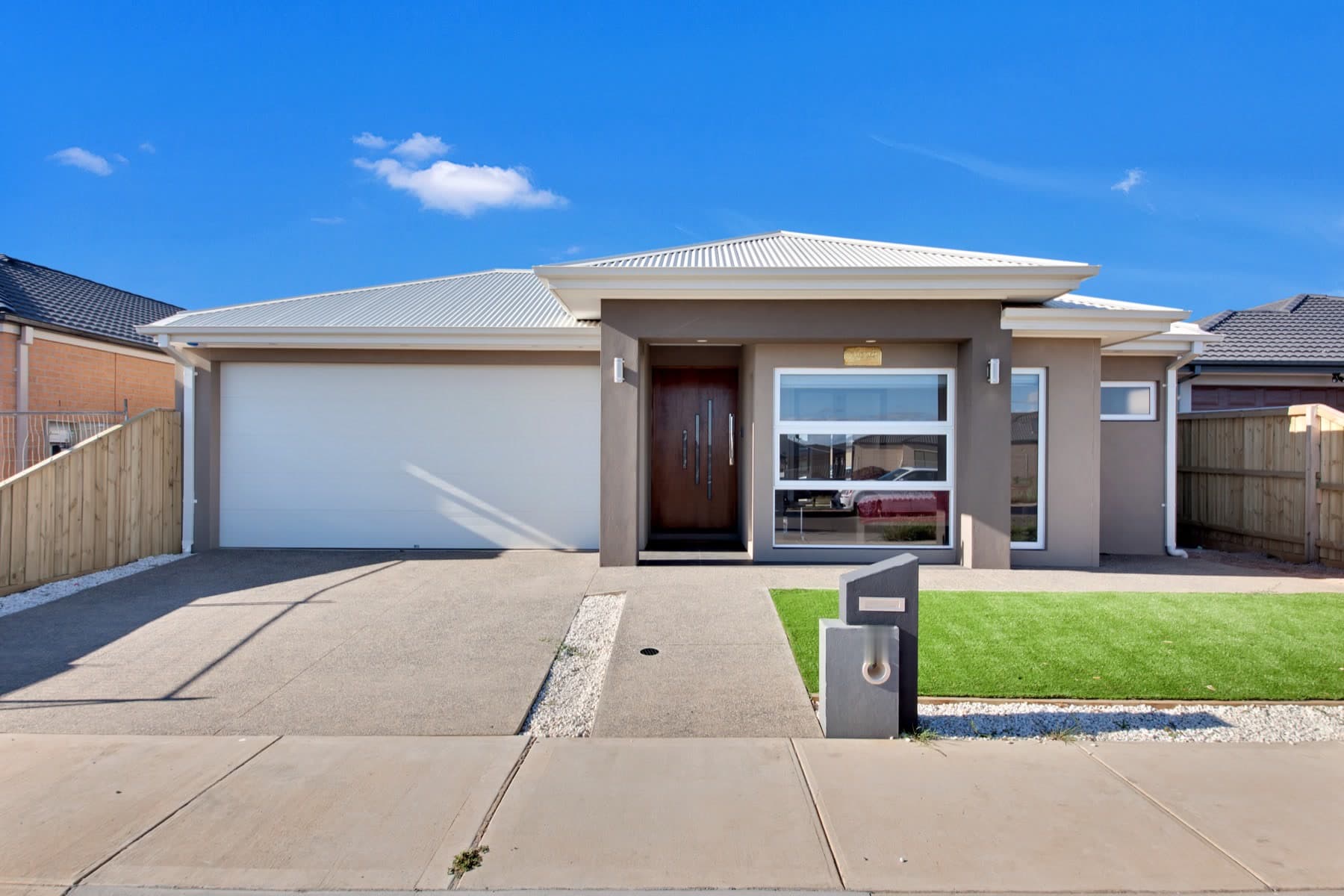
Melbourne's West · Fixed price
First homes. Explained as we go.
Building a first home is the biggest thing most people have done, and almost nobody explains the order it happens in. We do, before you commit to anything.
Is it the right move
Three honest ways to know.
Building first rather than buying established suits some people and not others. The difference is usually time and certainty, not taste.
You have found land, or nearly have
An estate block in the west, settled or under contract.
Tell me moreLess
Most first builds in this corridor start with an estate block. If you have signed but not settled, that is a normal place to start talking, and there are things worth knowing before you choose the plan.
You want the number to hold
A fixed price matters more on a first build than on any other.
Tell me moreLess
First home budgets have the least room in them. A price that moves after signing is survivable for someone on their third build and genuinely serious for someone on their first, which is why the contract and the inclusions list matter more here.
And when it is not the answerThe honest one
If you need to be in a home within months, buying established is faster.
Tell me moreLess
Building takes longer than buying, and you are usually paying rent while it happens. If your timeline is short or your budget cannot carry both, an established home may serve you better. We would rather say so than sign you up to something that squeezes you.
The full picture
What you are actually paying for.
You will not find a dollar figure on this page. Every block and every plan is different, and a number that is true for one is false for the next.
What we can give you is the list, including the parts that are easy to miss when you are comparing one builder's advertised price to another's.
The advertised price of a house is rarely the cost of a home on your block. Ask every builder you talk to which of these are inside their number.
 Line 05 · Building
The land itself
Bought and settled separately from the build, usually first.
Tell me moreLess
Land and build are two transactions, often with two contracts and two loans. The order they happen in is the thing that catches first home buyers out, and it has its own section further down.
Site costs
What your specific block needs before a slab can go down.
Tell me moreLess
Soil type, fall across the block and how far services have to come all change this. It is the single biggest reason two people on the same street pay different amounts for the same house, and the most common thing left out of an advertised price.
Council and estate approval
Permits, plus the design rules your estate applies.
Tell me moreLess
Most new estates have their own design guidelines covering facades, materials and fencing, on top of council. They shape what you can choose, so it is worth knowing them before you fall in love with a plan.
Finishes and upgrades
What is standard, and what costs more than the display home suggests.
Tell me moreLess
Display homes are usually shown with upgrades. The gap between the standard specification and what you walked through is where first home budgets most often go. We put the inclusions in writing so you can see exactly where the line is.
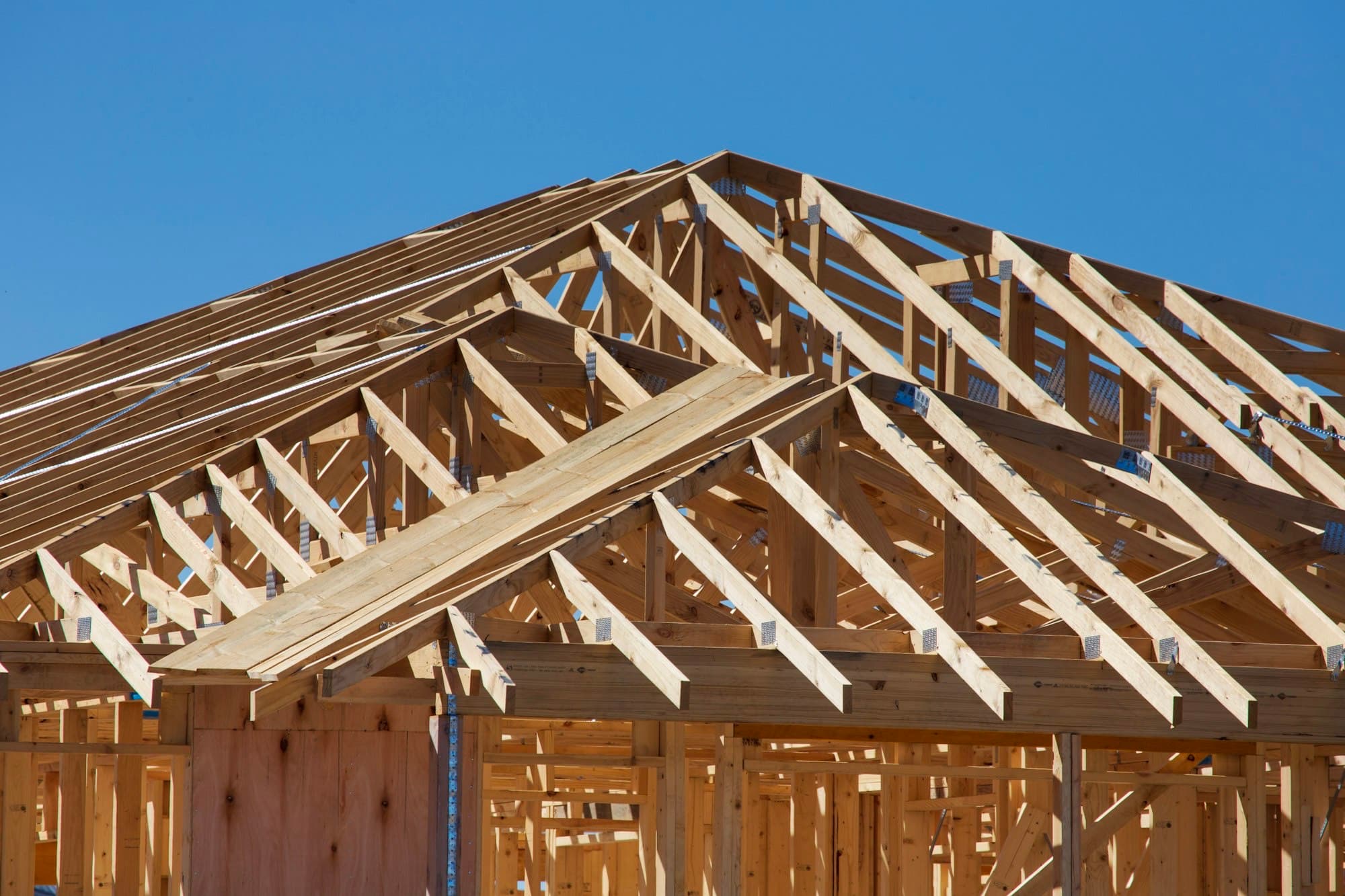
Building the home
Slab to handover, on a fixed price with every inclusion in writing.
Tell me moreLess
Paid in stages as work is completed rather than in one lump at the end. How that works is covered further down.
Driveway, fences and garden
Frequently outside the build price, and frequently required by the estate.
Tell me moreLess
Many estates require the front landscaping to be finished within a set time after handover. Worth confirming whether your builder includes it, because it lands whether or not you budgeted for it.
The 7 star energy rating
Required on every new Victorian home, so it is a standard, not an upsell.
Tell me moreLess
It shapes glazing, insulation and sealing. Any builder presenting it as an optional upgrade is charging you for the law. [TK] How Zaman meets it in practice is being confirmed.
The costs of waiting
Rent and loan interest while the house is being built.
Tell me moreLess
You are usually paying to live somewhere while paying interest on what has been drawn down so far. Not a builder's cost, but absolutely part of the real number, and one nobody puts on a website.
The process
Five stages, explained as they come.
The same five stages as every Zaman build. On a first home we spend more time on the first two, because knowing what happens next is most of what makes this feel manageable.
Consult
We sit down with your block and your budget. No question is too basic.
Design
A design that suits the block, the estate rules and what you can spend.
Fixed price
Signed before we start. Every inclusion written down.
Build
Slab, frame, lock up, fit off, with one point of contact.
Handover
We walk every room together and hand over the keys.
The part nobody explains
The order the money happens in.
Almost every first home buyer we meet understands what things cost and not when they happen. That is the part that causes the stress, because the sequence decides what you need in the bank and when.
Here it is plainly. Your broker or lender will give you the numbers for your situation. We are giving you the shape of it, which is the bit no one writes down.
Land settles first
You buy and settle the land before the build starts.
Tell me moreLess
On a new estate the block often settles months after you sign, once titles are issued. Until then the build cannot start, which is why estate timelines and build timelines are two different clocks.
You pay the builder in stages
Not one lump at the end. Payments follow completed work.
Tell me moreLess
A deposit, then progress payments as each stage is finished and inspected. It means you are never paying for work that has not been done, and your lender releases funds against the same milestones.
Government help arrives at set moments
Grants and duty concessions land at particular points, not upfront.
Tell me moreLess
First home buyer support in Victoria has eligibility rules and timing rules, and both change. We will not publish figures here because a stale number on a builder's site is worse than none. Check the current position with the State Revenue Office and your broker, and tell us what you are working with so the plan fits it.
Real projects
Homes we have built.
Real homes, real suburbs, real photographs, and the owner's permission on record. We do not publish anything else. Every home below has its own page, so you can see the whole build rather than the best corner of it.
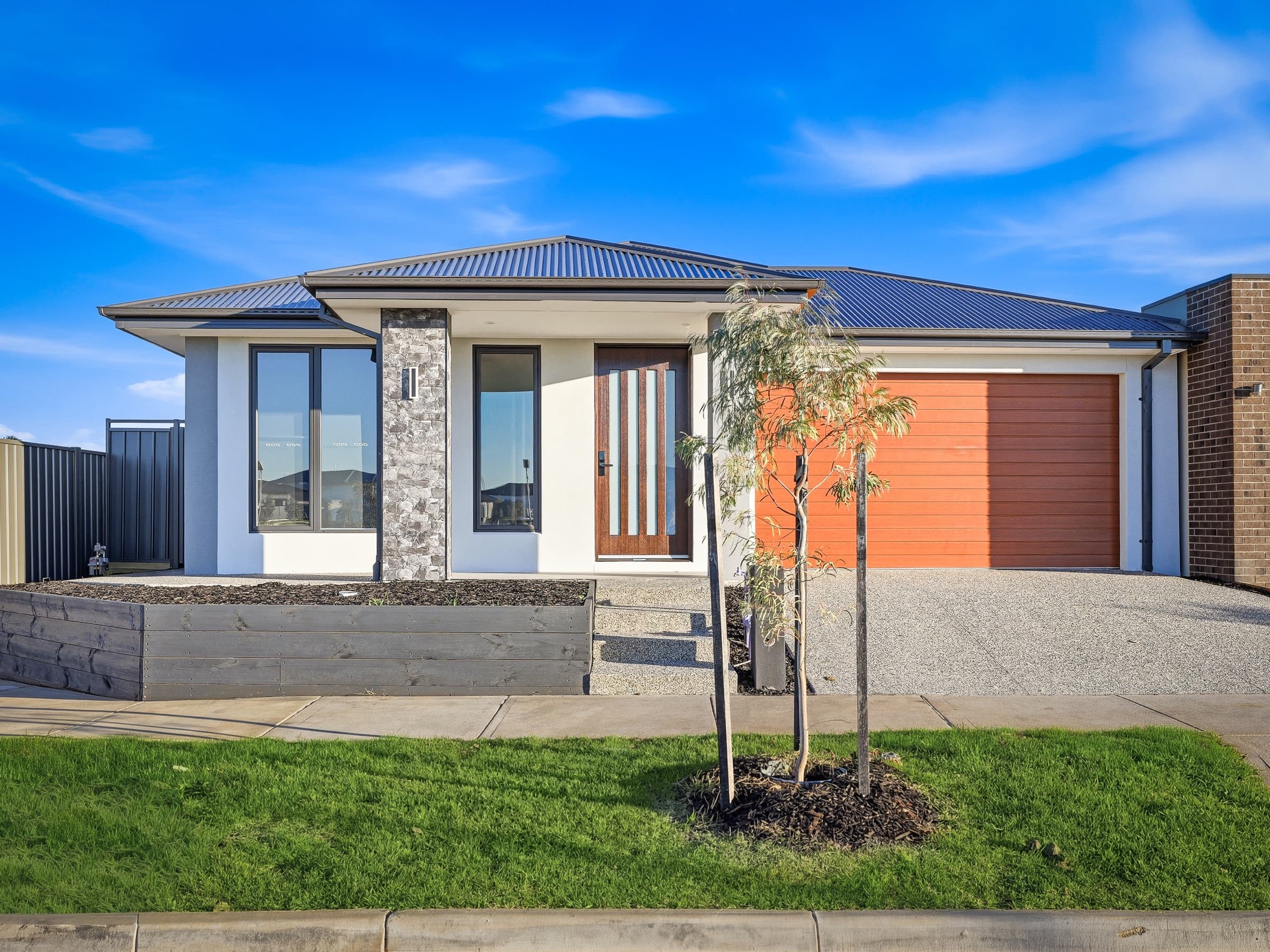
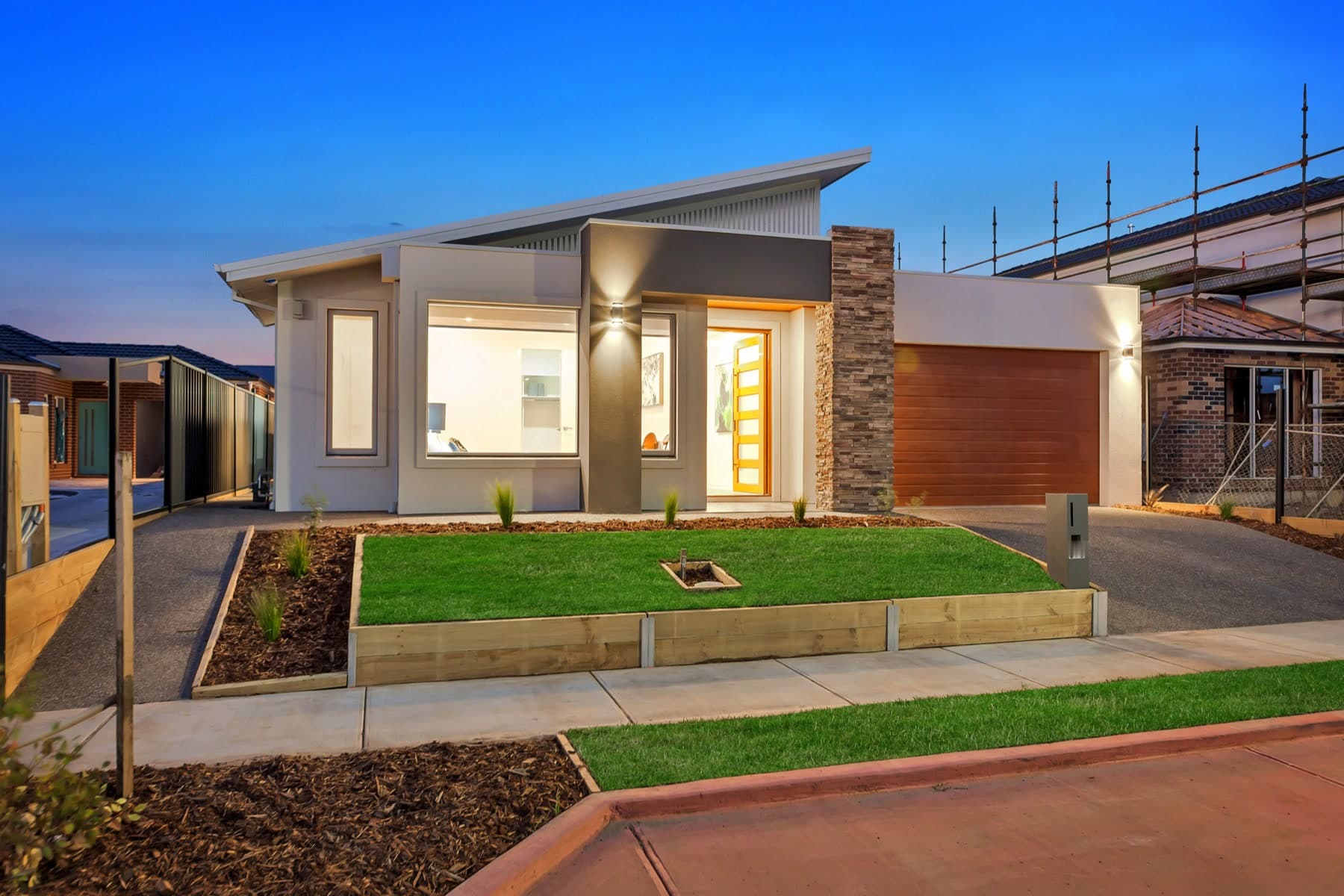
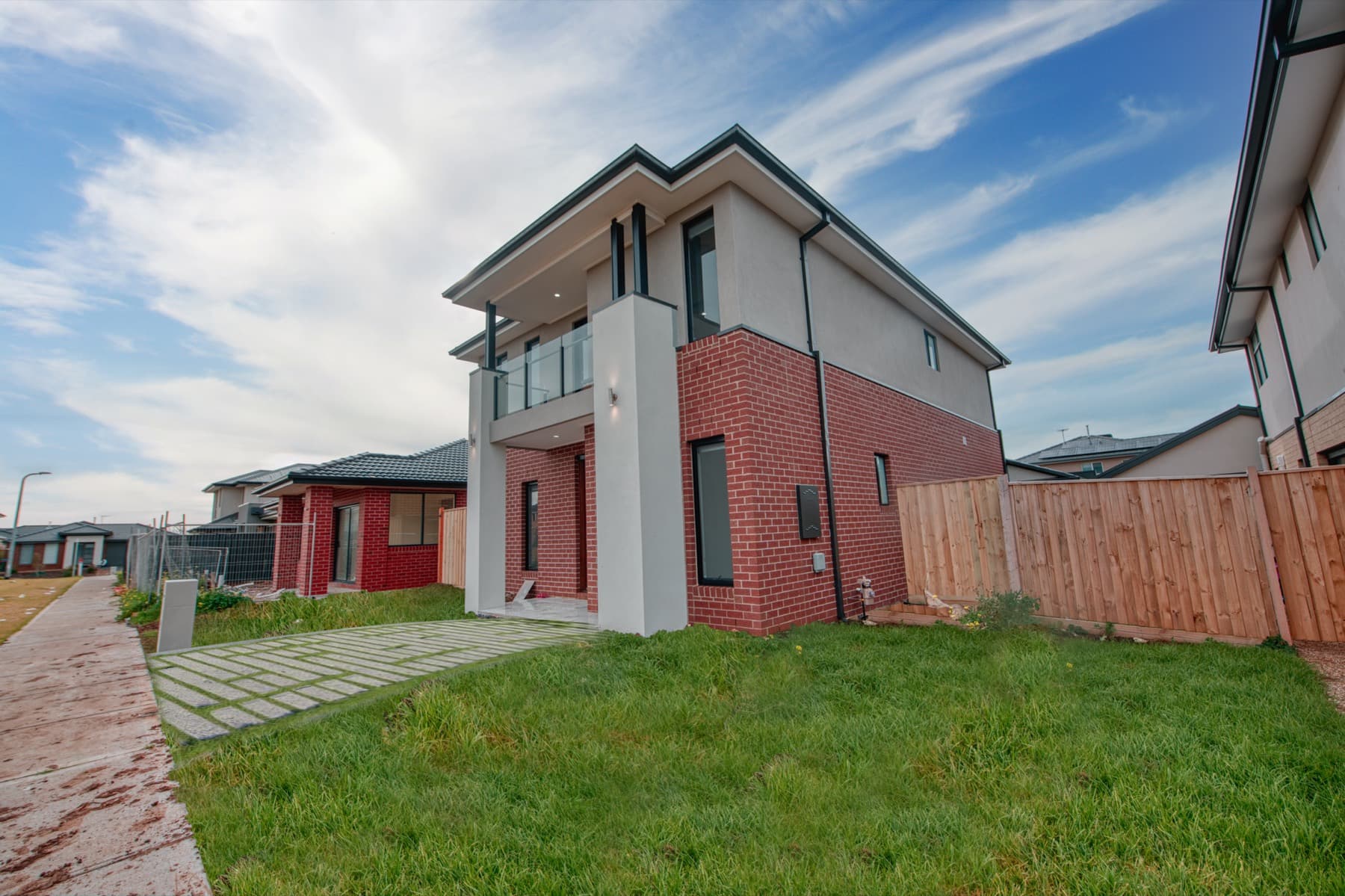
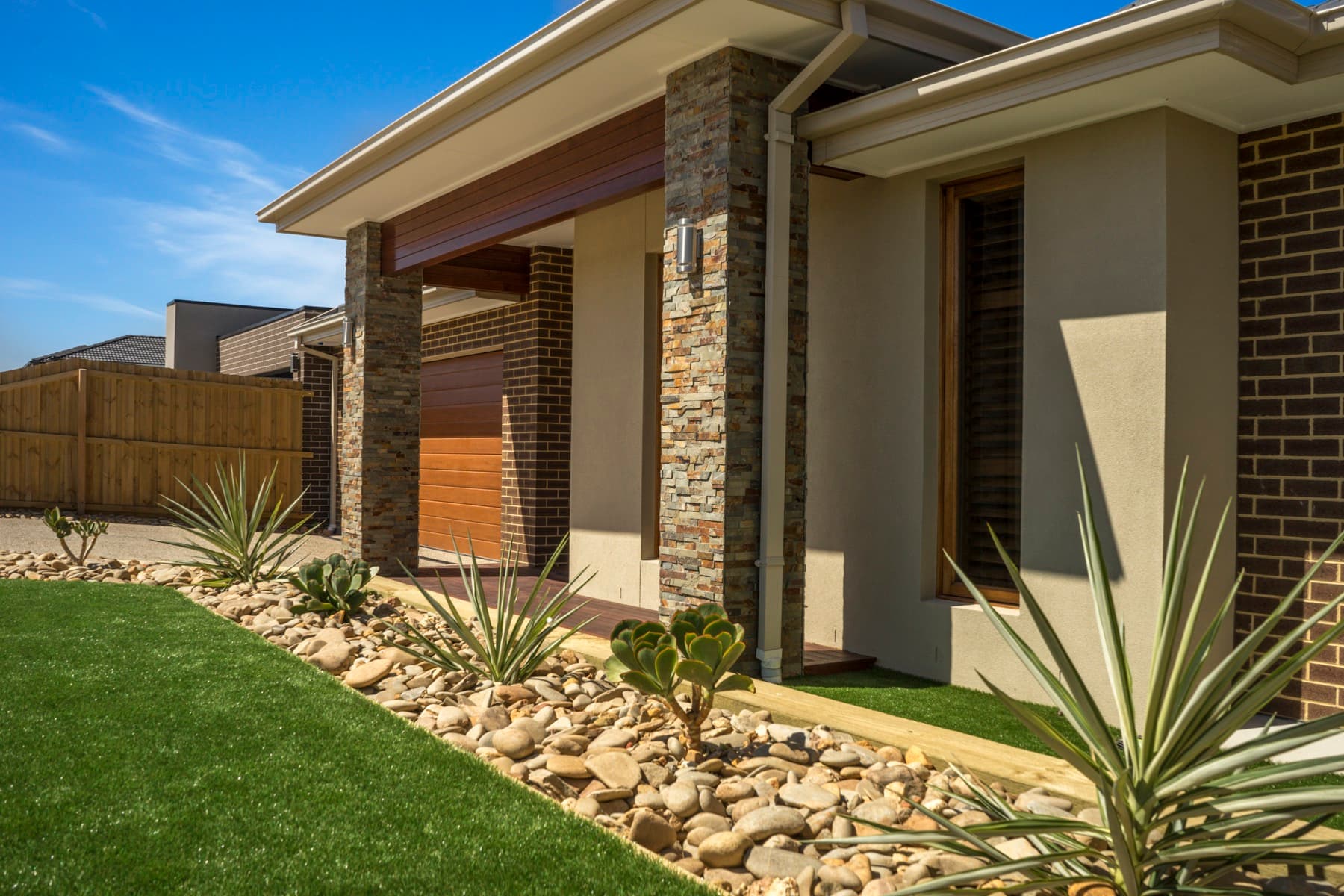
Fixed price, covered
The price we agree is the price you pay.
First home budgets have the least room in them, which makes the fixed price contract matter more here than anywhere. The full detail, including how to check us on the public register yourself, lives on one page.
A fixed price building contract, signed before we start
Every inclusion itemised in writing, so you can compare us properly
First Resort Home Warranty cover, certificate in your hands before any deposit
Progress payments tied to completed work, never money ahead of the build
First home questions
Nothing here is too basic to ask.
The questions we hear most from people building for the first time, answered the same way here as we answer them in person.
01Do we buy the land first, or find a builder first?
Talk to a builder before you commit to a block if you can. The land decides a lot about what you can build and what the site costs will be, and an hour of advice beforehand has saved plenty of people from a block that fought them. If you have already bought, that is completely normal too, and we work from there.
02What deposit do we need?
That is a question for your broker or lender, because it depends on your situation, your land and the loan product. What we can tell you is the builder's side: the deposit we take is capped by law at ten percent, and you receive your warranty certificate before any deposit is paid.
03What is the First Home Owner Grant and do we qualify?
It is government support for eligible first home buyers building new, and there are also duty concessions that can apply. Both have eligibility rules and both change, so we deliberately do not publish figures here. The State Revenue Office has the current position and your broker will confirm what applies to you. Tell us what you are working with and we will design to it.
04Why is a builder's advertised price never the final price?
Usually because it covers the house and not the block. Site costs, the estate's design requirements, landscaping and upgrades from the display home specification all sit outside many advertised prices. This is exactly why our inclusions go in writing: so you can put our list beside anyone else's and see what is actually in each one.
05When do we start paying the builder?
A deposit at contract, then progress payments as each stage of the build is completed and inspected. You are not handing over a lump sum at the start and you are not paying for work that has not happened. Your lender releases funds against the same milestones.
06Can we afford a custom design, or do we have to take a standard plan?
Custom does not automatically mean more expensive, and this is our whole point of difference. What it means is the home is drawn for your block and your budget rather than adapted from a plan drawn for someone else's. At the first meeting we will tell you honestly what is achievable with what you have.
07How long does it take?
The build itself typically runs 6 to 8 months from slab to handover. What varies far more is everything before it: land settlement, titles, design and approvals. On a new estate that stretch can be long and it is mostly outside anyone's control, which is why we would rather map your dates at the first meeting than quote you an average.
Still have one?
Ask it at the free consultation.
We come to you, we look at the house, and you get straight answers about your block. It costs nothing and commits you to nothing.
Or call +61 468 043 685Start your first home
Every first home starts with a conversation.
Five quick questions, then a free consult with the builder. No question is too basic.
- Free and no obligation
- Honest numbers, no surprises
- You deal with the builder, not a salesperson
Free, no obligation. You deal with the builder directly.
What are you planning?
Takes about 45 seconds.