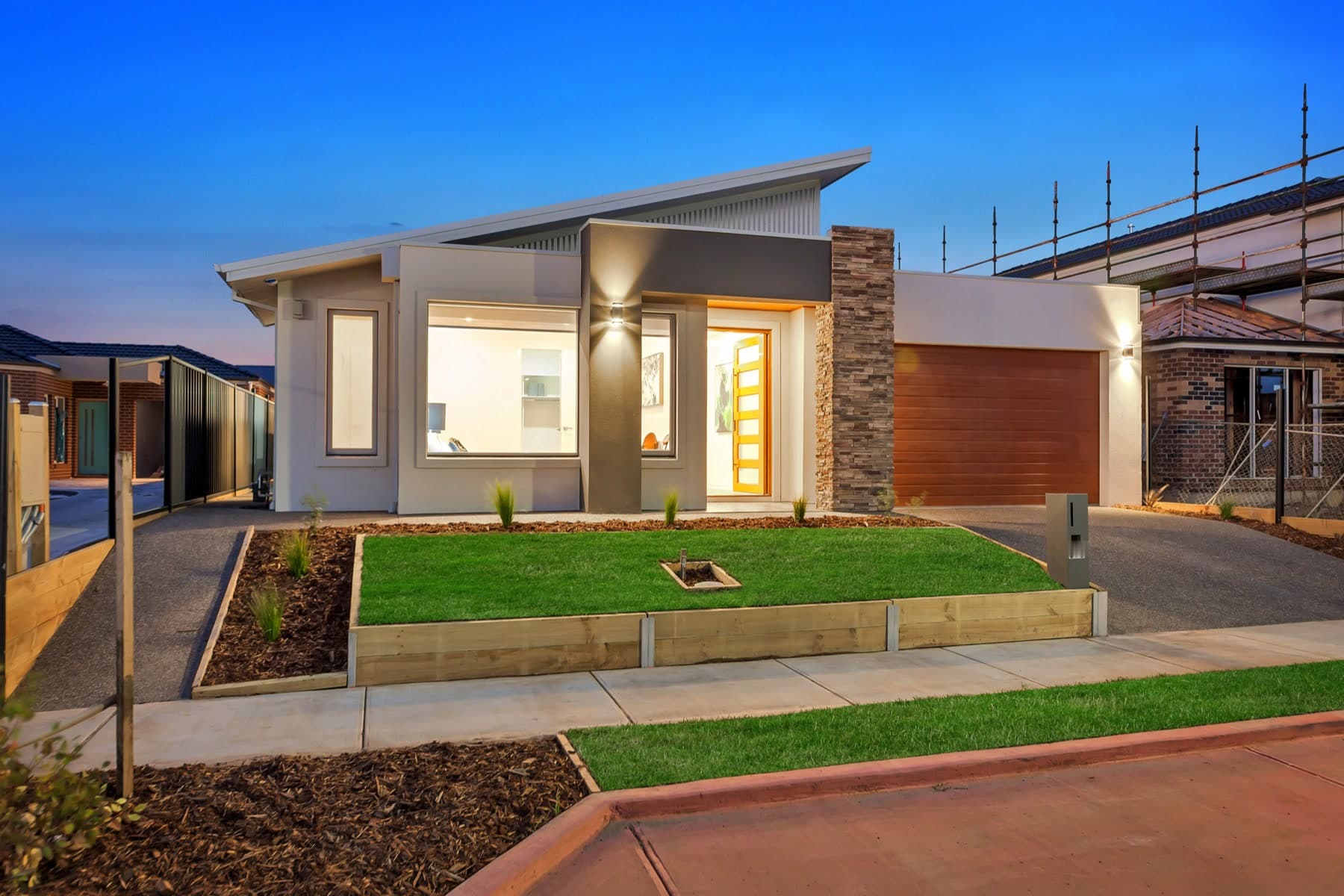
Melbourne's West · Fixed price
Dual occupancy. Two homes, one block.
Parents moving closer, adult children staying nearby, or a second home built to rent. We look at what your block actually allows before anything is drawn.
Is it the right move
Three honest ways to know.
Dual occupancy suits a particular kind of block and a particular kind of plan. The blocks that work are usually wider or deeper than the street average, and the plans that work start with the council rules rather than with the house.
Family close, but not underfoot
Parents or adult children nearby, with their own front door.
Tell me moreLess
The most common reason people build here. Everyone gets independence, nobody gets isolation, and the care that usually happens by driving across the suburbs happens across a driveway instead. It also tends to be a far better answer than a granny flat, because a second dwelling is a real home.
The block is bigger than it needs to be
A wide or deep block carrying one house and a lot of unused yard.
Tell me moreLess
Plenty of older blocks in the west hold a single home and a back yard nobody uses. A second dwelling turns that into somewhere to live or something that earns, without giving up the street you are on.
And when it is not the answerThe honest one
Some blocks simply cannot take two, and we will tell you at the assessment.
Tell me moreLess
Frontage, setbacks, overshadowing, private open space, tree protection and access for a second driveway all have to work at once. Some blocks fail on one of them and no design fixes it. We would rather tell you at the assessment than after you have paid for drawings.
The full picture
What a dual occupancy actually involves.
You will not find a dollar figure on this page. Two dwellings is not simply twice one, and a published range would be wrong in both directions.
What we can give you is the list. Several of these do not exist on a single build at all, which is why comparing a dual occupancy to a standard house price never works.
Two dwellings share a block but very little else. The lines below are where a dual occupancy differs from a single build, and where the surprises live.
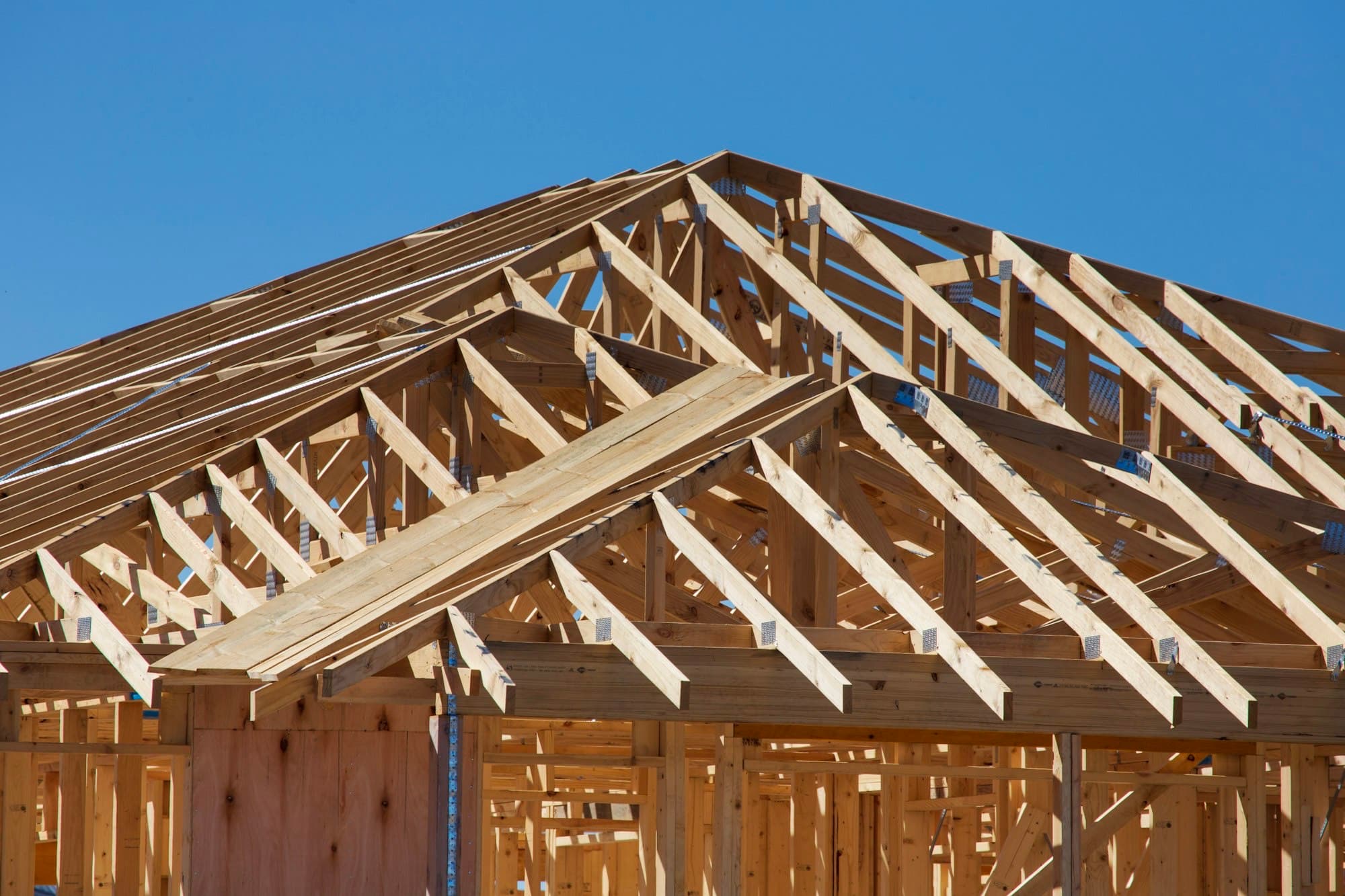 Line 06 · Building
A planning permit, not just a building permit
Two dwellings almost always need council to approve the plan itself.
Tell me moreLess
A single home on a titled block is often a building permit only. A second dwelling usually needs a planning permit as well, which means council assesses the design against the neighbourhood, and neighbours can have their say. It is the longest and least predictable part of the project.
Design that satisfies the rules first
Setbacks, overshadowing, private open space and car parking all at once.
Tell me moreLess
On a dual occupancy the rules shape the house rather than the other way around. Getting a design that satisfies all of them together is most of the skill, and it is why we look at the block before we draw anything.
Removing what is there
If an existing house is coming down, that is its own line.
Tell me moreLess
Where the second dwelling replaces or displaces an existing home, demolition, the asbestos check and disconnecting the services all apply, exactly as they would on a knockdown rebuild.
Separate power, water and gas
Each dwelling needs its own connections and its own meters.
Tell me moreLess
Two homes cannot share one set of services. New connections, separate meters and sometimes an upgrade to the supply coming into the block. Regularly missed when people budget this from a single build price.
Subdividing the title
A separate legal process from building, if you want two titles.
Tell me moreLess
Building two dwellings and splitting the land into two titles are different things with different approvals. You can sometimes do one without the other. This matters enormously and it has its own section further down.
Access and site works
A second driveway, crossover, drainage and levels across the whole block.
Tell me moreLess
Two dwellings usually need a second crossover onto the street, which is a council approval of its own, plus drainage designed for the whole block rather than half of it.
Building both
Designed together and built in one program, on a fixed price.
Tell me moreLess
Building both at once is almost always cheaper and faster than building one and returning later, because the site is set up once and the trades come through once.
Driveways, fencing and each garden
Including the fence that gives each household its own space.
Tell me moreLess
Private open space is usually a planning requirement rather than a preference, so the fencing and the garden are part of the approval, not an afterthought.
The process
Five stages, with council folded in.
The same five stages as every Zaman build. On a dual occupancy the design and approval stage carries far more weight, because council assesses the plan itself before anything can be built.
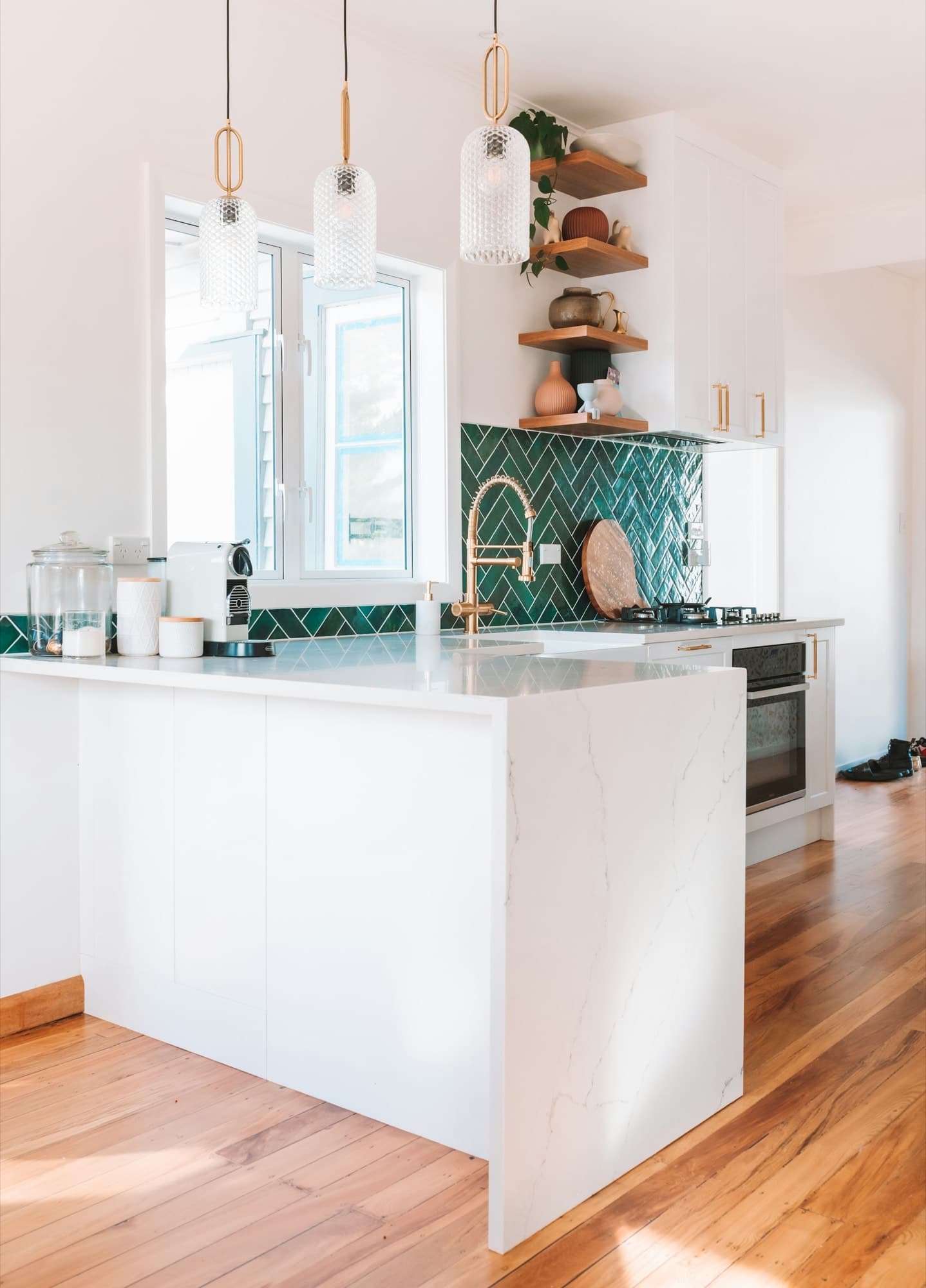
Consult
We walk the block and give you an honest read on what it can take.
Design
Designed to the planning rules, then lodged with council.
Fixed price
Signed once the approval position is clear, every inclusion in writing.
Build
Both dwellings built in one program, with one point of contact.
Handover
We walk both homes with you and hand over the warranties.
The part that costs people the most
Building two is not the same as owning two.
Almost every owner we meet assumes these are one question. They are three, they have three different answers, and finding that out late is the most expensive mistake available in this category.
We check where your block sits on all three at the site assessment, before anything is drawn. Your conveyancer and council confirm it. What we can promise is that you will not hear about it for the first time halfway through.
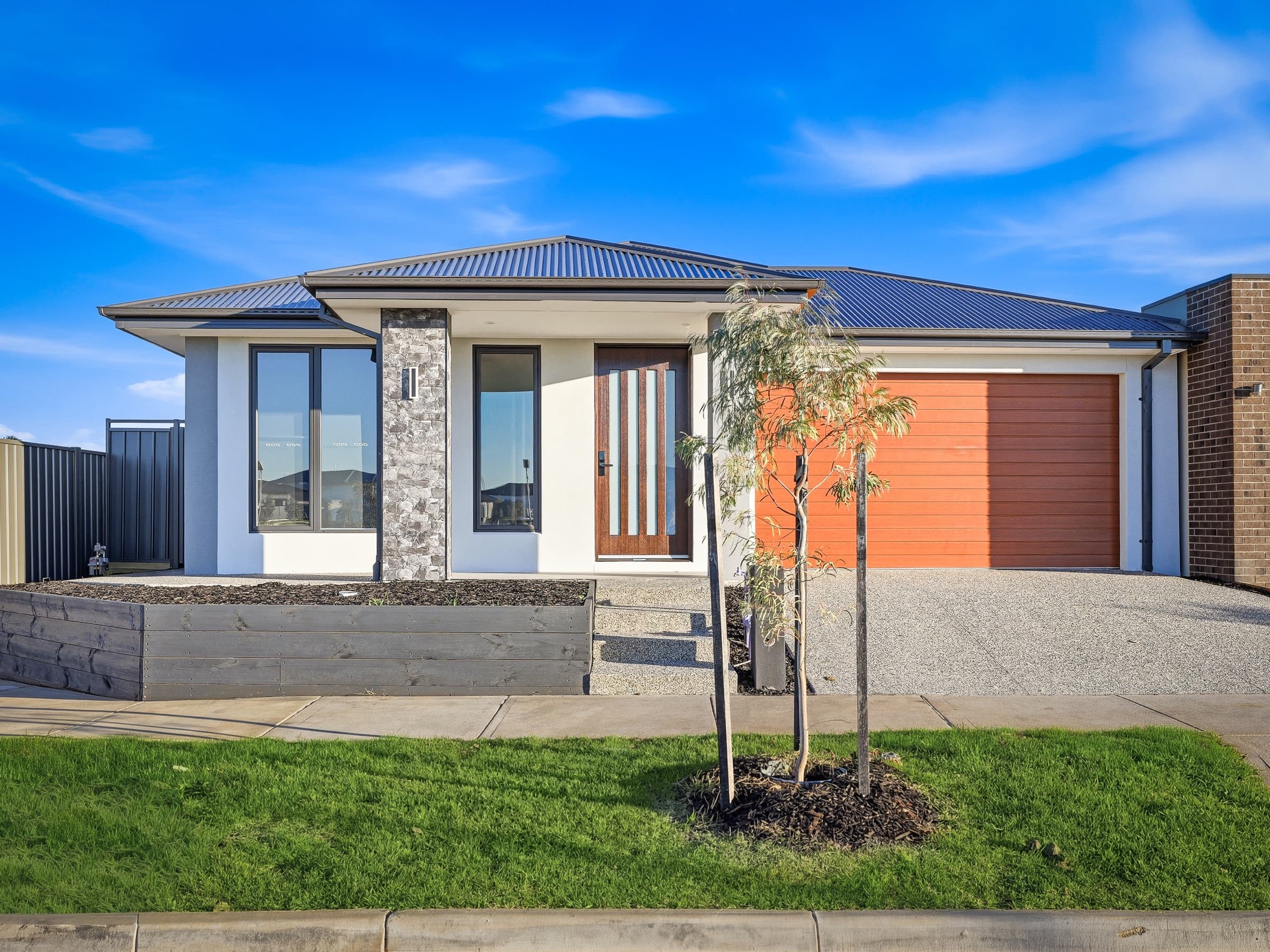
Can you build two dwellings?
A planning question about your block, answered by council.
Tell me moreLess
Decided by the zone, the size and shape of the block, and rules on setbacks, overshadowing, open space and parking. Some blocks are clearly fine, some are clearly not, and plenty sit in between and depend on the design.
Can you split the title?
A separate approval. Building two does not automatically give you two titles.
Tell me moreLess
Subdivision is its own process, and it is entirely possible to be allowed to build a second dwelling while the block stays on one title. If your plan depends on two titles, that has to be established at the start rather than assumed.
Can you sell or finance them separately?
Follows the title, and it changes how lenders see the project.
Tell me moreLess
One title generally means one asset: it affects what you can sell, how it is valued and how it can be borrowed against. If the plan is to keep one and sell the other, this is the question that decides whether the plan works at all. Worth a conversation with your broker before design starts.
Real projects
Homes we have built.
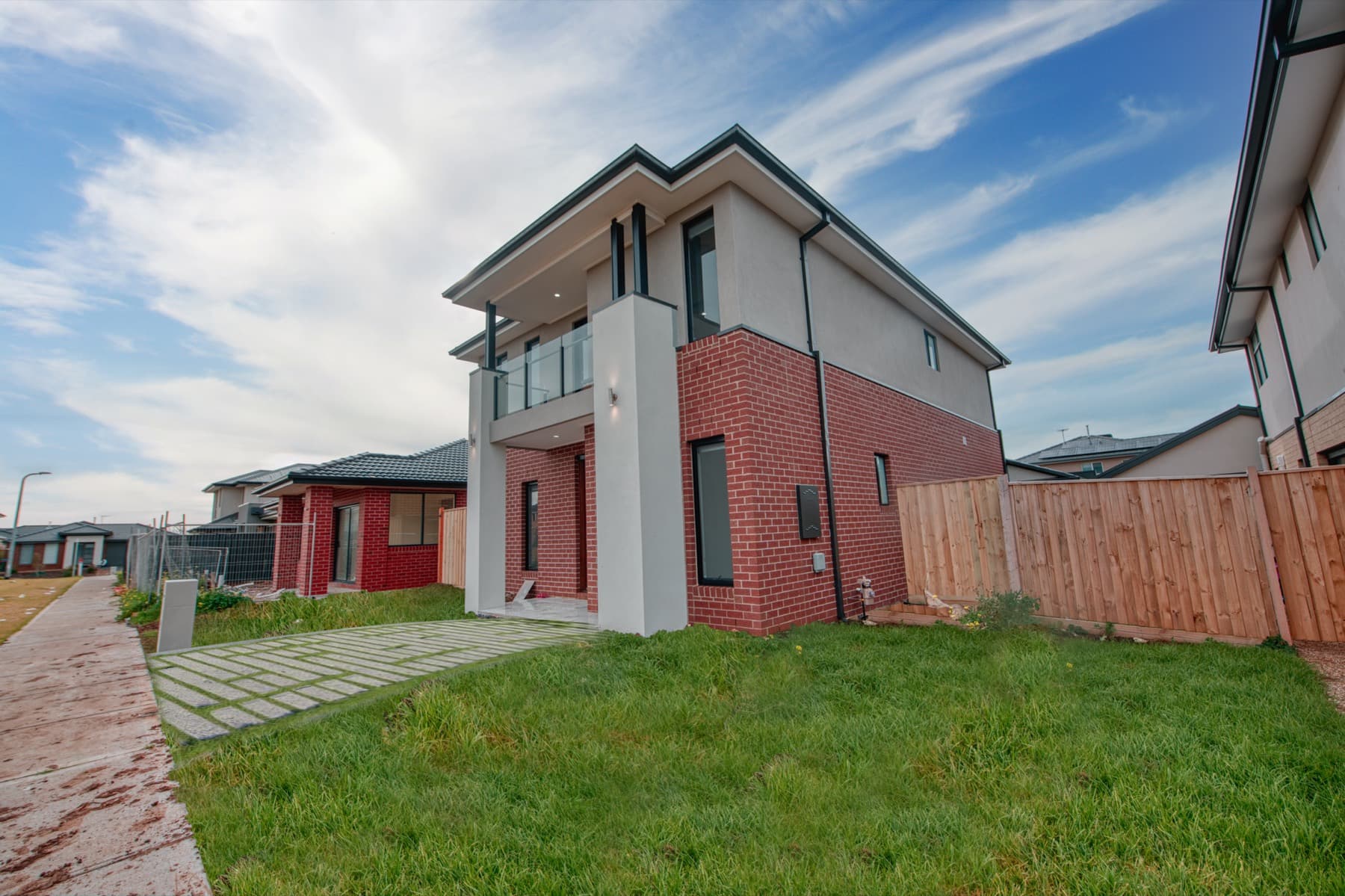
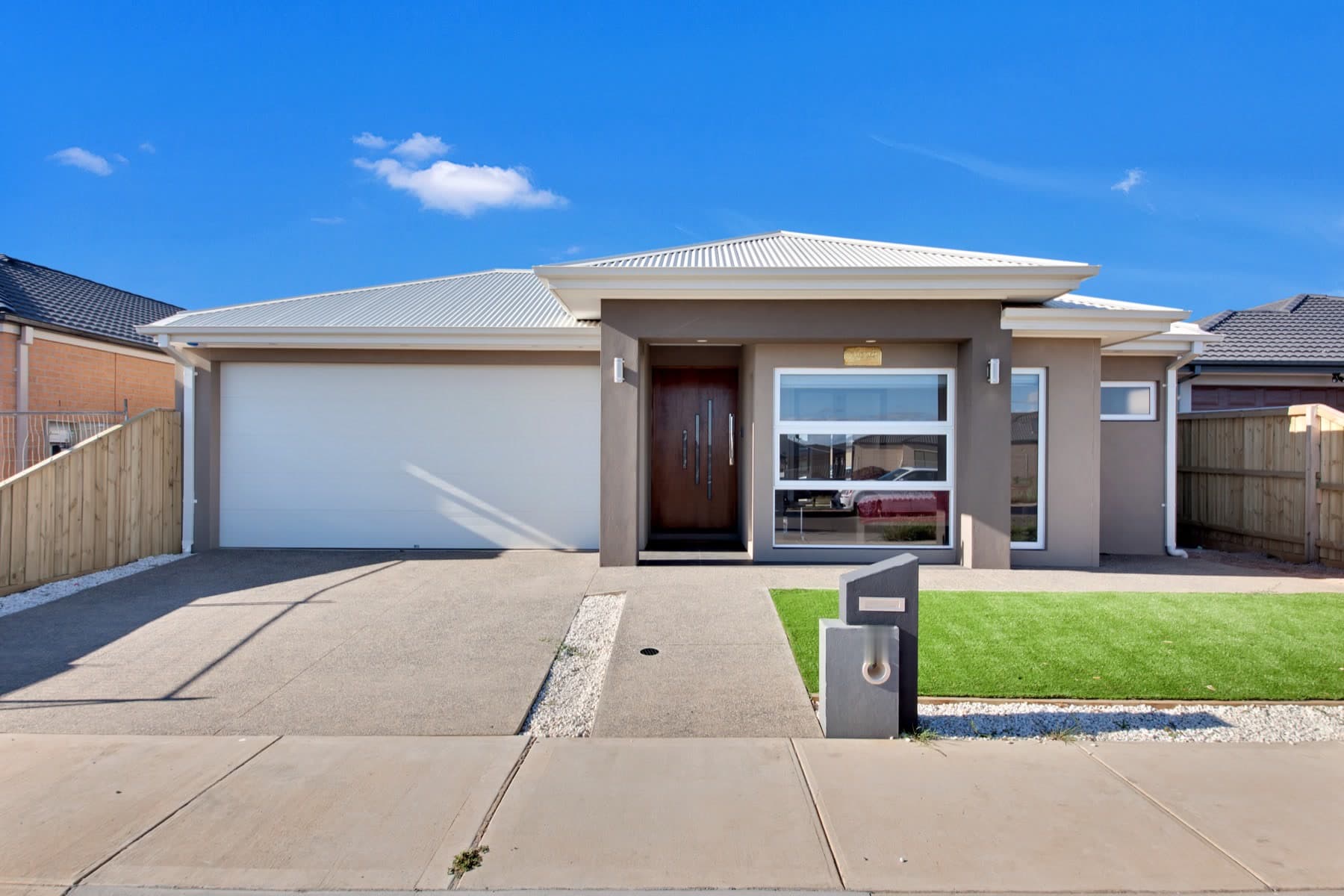
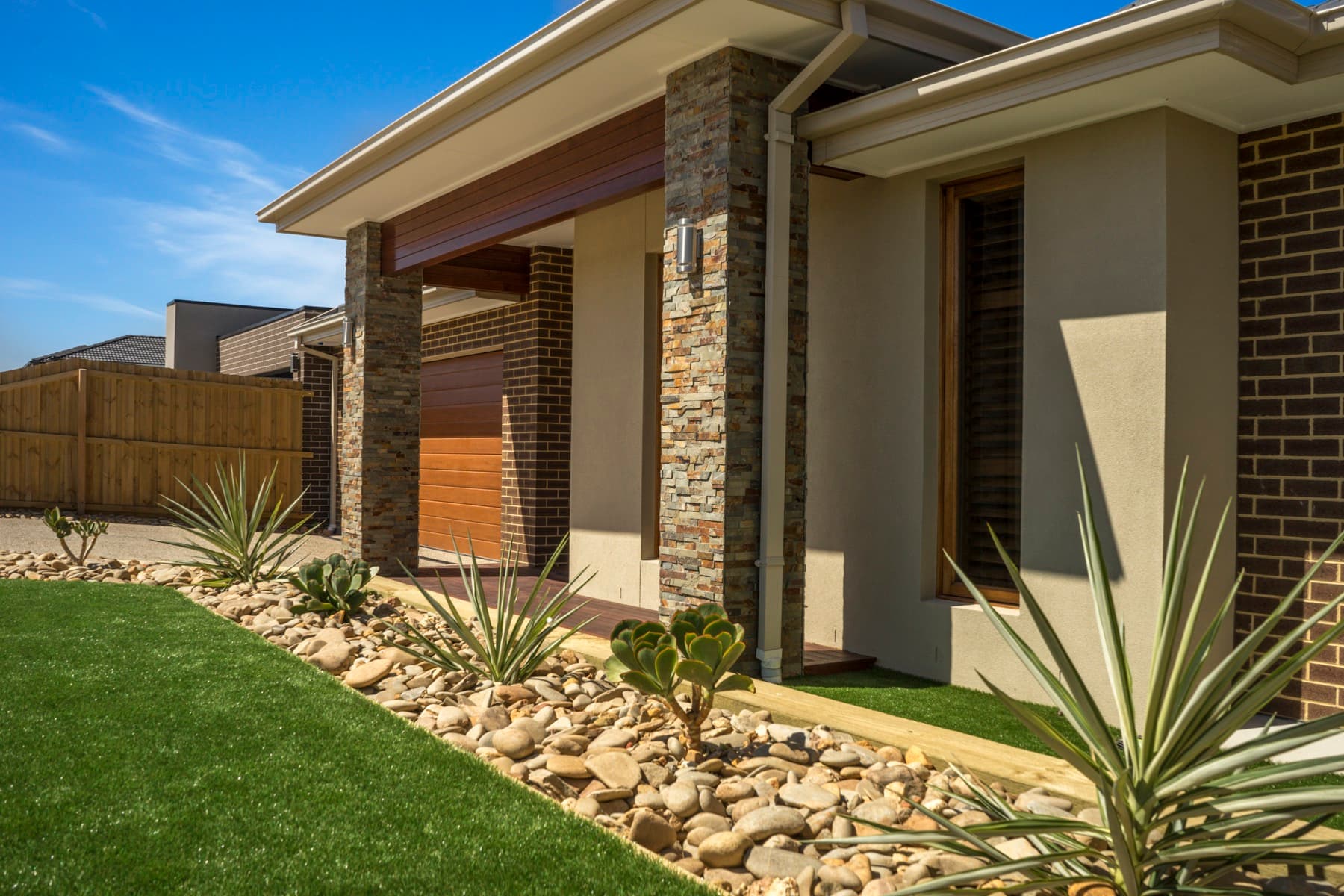
Real homes, real suburbs, real photographs, and the owner's permission on record. We do not publish anything else. Every home below has its own page you can look through, and the dual occupancy projects are being matched to their stories now.
Fixed price, covered
The price we agree is the price you pay.
A dual occupancy has two of most things and a council process on top, which makes the fixed price contract matter more here, not less. The full detail, including how to check us on the public register yourself, lives on one page.
A fixed price building contract covering both dwellings
Every inclusion itemised in writing, for each home
First Resort Home Warranty cover, certificate in your hands before any deposit
A structural workmanship guarantee that outlasts handover
Dual occupancy questions
Asked at every site assessment.
The questions that decide whether a dual occupancy works on your block, answered the same way here as we answer them standing on it.
01How do I know if my block is big enough?
Size is only part of it. Frontage, shape, the zone, where the existing house sits, setbacks, overshadowing, private open space and whether a second driveway can get in all matter together. A wide block can fail and a modest one can work. This is exactly what the free site assessment is for, and we will give you a straight answer rather than an encouraging one.
02Is a dual occupancy the same as a granny flat?
No. A granny flat is generally a small secondary dwelling with limits on size and who can live in it, and it usually cannot be sold separately. A dual occupancy is two proper homes. They are different products with different approvals, and which one suits you depends on whether you are housing family or building an asset.
03Do we need a planning permit or just a building permit?
Two dwellings almost always need a planning permit as well as a building permit. That means council assesses the design against the neighbourhood, and in many cases neighbours are notified and can comment. It is the least predictable part of the timeline, which is why we would rather set expectations at the start than promise a date we do not control.
04Can we subdivide and sell one of them?
Sometimes, and it is a separate approval from the permission to build. Being allowed to build a second dwelling does not automatically mean you can split the title, and the two are assessed differently. If your plan depends on selling one, establish that before design starts. Your conveyancer and council give the binding answer.
05Do both homes need their own power and water?
Yes. Each dwelling gets its own connections and its own meters, and sometimes the supply coming into the block has to be upgraded to carry two. It is one of the costs most often missed when people estimate a dual occupancy from a single build price.
06Should we build both at once or one at a time?
Both at once, almost always. The site is established once, the trades come through once, and the two designs resolve together rather than the second one working around the first. Building later usually costs more and gives you a worse result on the second home.
07Can we live in one while the other is built?
It depends entirely on where the new dwelling sits and whether the existing home stays. Sometimes it works, often it does not, and site access and safety usually decide it rather than preference. We will tell you which applies to your block at the assessment.
08What will it cost?
Not something we can answer from a website, and anyone who does has not seen your block. A dual occupancy is not twice a single build: some things double, some are shared, and the council process adds its own. The free site assessment exists so the first number you hear means something.
Still have one?
Ask it at the free site assessment.
We come to you, we look at the house, and you get straight answers about your block. It costs nothing and commits you to nothing.
Or call +61 468 043 685Start your dual occupancy
Every dual occupancy starts with the block.
Five quick questions, then a free site assessment with the builder.
- Free and no obligation
- Honest numbers, no surprises
- You deal with the builder, not a salesperson
Free, no obligation. You deal with the builder directly.
What are you planning?
Takes about 45 seconds.